
What to Expect During a Professional Masonry Installation
People seeking what to expect during a professional masonry installation can rely on local contractors to handle the work efficiently and ensure quality results.
Understanding what to expect during a professional masonry installation can help property owners feel more confident as they plan for upgrades or new features. Whether it's a decorative brickwork project, a sturdy retaining wall, or a new outdoor fireplace, knowing the typical process can clarify what steps are involved and what outcomes are achievable. Local contractors who specialize in masonry work are equipped to handle these projects efficiently, ensuring that the work aligns with the property’s needs and aesthetic goals. Exploring this topic can also provide insights into the materials, techniques, and craftsmanship that contribute to a durable and attractive result.
For property owners in the area considering masonry services, understanding the installation process can make the experience smoother and more predictable. It’s common to wonder about the preparation, the workflow, and what to expect at each stage. Local service providers can guide clients through these phases, offering practical advice and professional expertise to help bring a project to completion. Continuing to learn about what happens during a masonry installation can empower property owners to make informed decisions and feel assured that their investment will be handled with skill and care.
- Retaining wall construction - when a property needs to hold back soil or create level areas, local contractors plan and build sturdy masonry structures.
- Fireplace installation - for those wanting a functional or decorative fireplace, service providers prepare the site and ensure proper masonry techniques.
- Patio or walkway paving - when upgrading outdoor living spaces, local pros lay durable stone or brick surfaces that enhance curb appeal.
- Chimney repair or rebuilding - if a chimney shows signs of damage or deterioration, specialists assess and restore masonry to ensure safety and function.
- Stone veneer or decorative masonry - for aesthetic upgrades, service providers apply decorative masonry to improve the visual appeal of walls or facades.
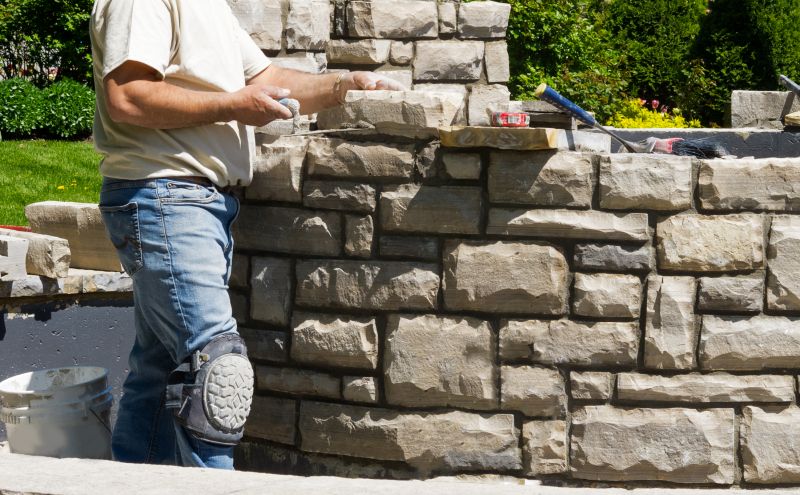
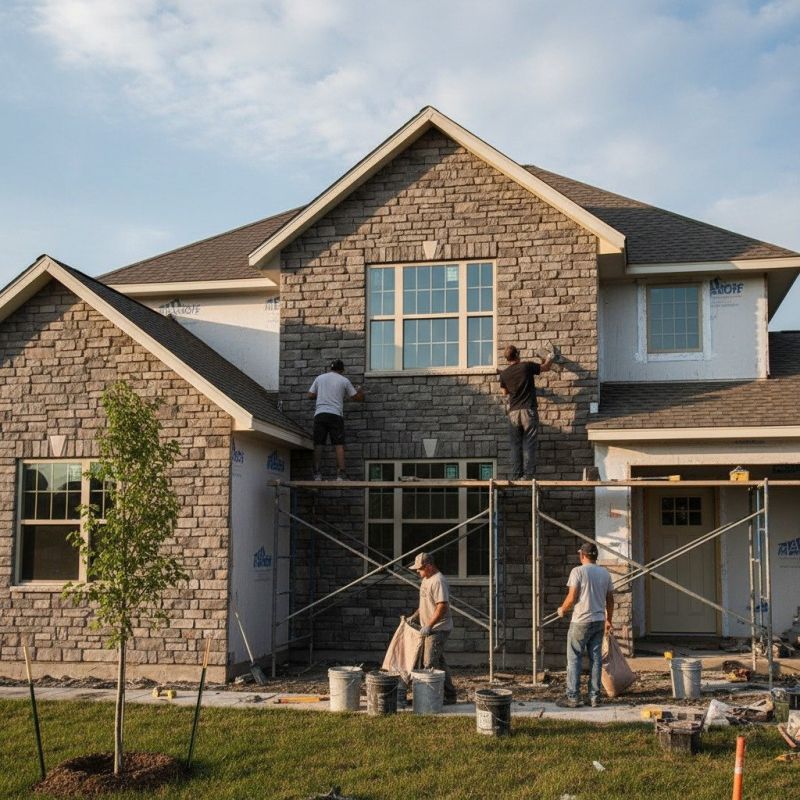
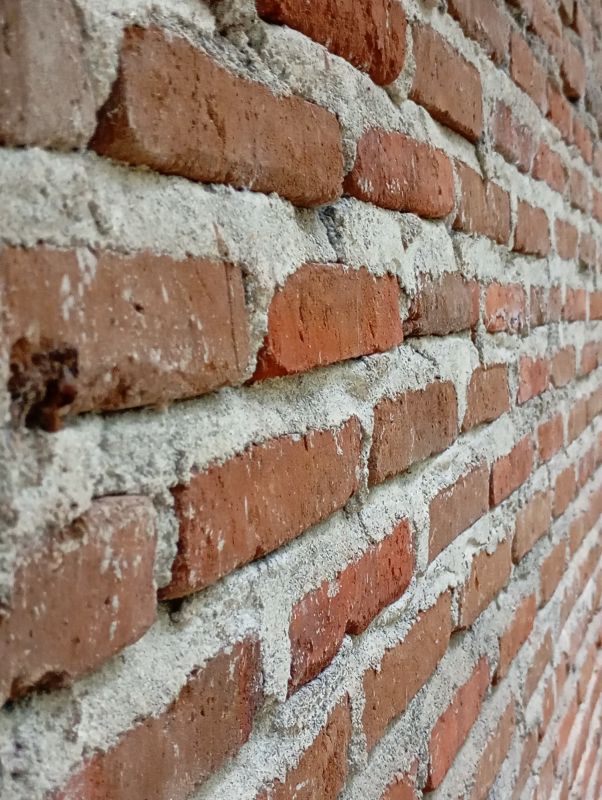
When searching for information about what to expect during a professional masonry installation, homeowners often want to understand the general process involved in transforming their ideas into durable, visually appealing structures. This includes gaining insight into how the work is planned, the steps involved from preparation to completion, and what kind of craftsmanship is expected. People typically seek guidance on how the project will impact their property, what materials might be used, and how long the installation might take. Knowing these details helps homeowners feel more confident about hiring local contractors and ensures they’re prepared for what’s to come during the project.
Masonry installations are commonly related to a variety of property features and improvements. Many projects involve building or upgrading features such as patios, walkways, retaining walls, fireplaces, or decorative facades. These projects often arise from plans to enhance outdoor living spaces, improve landscape functionality, or add aesthetic value to residential and commercial properties. Problems that lead to masonry work can include structural issues, damage from weather, or simply the desire to update or expand existing features. Understanding the scope of these projects helps homeowners see how professional masonry services fit into the larger picture of property maintenance and improvement.
The types of properties that typically require masonry installation services range from single-family homes to multi-unit residential complexes and commercial sites. Residential properties often feature patios, garden walls, or driveway accents that need durable, well-crafted masonry work. Commercial properties may require larger-scale installations like retaining walls, decorative facades, or outdoor seating areas. The common factor is the need for structures that combine functionality with visual appeal, often built to last for many years. Local masonry contractors understand the specific needs of different property types and can tailor their services to match the scale and style of each project.
During a professional masonry installation, homeowners can generally expect a process that begins with detailed planning and assessment. The work typically involves site preparation, such as clearing and leveling, followed by the careful placement of materials like brick, stone, or concrete blocks. Skilled contractors pay attention to proper alignment, mortar application, and finishing details to ensure a high-quality result. The process may also include clean-up and finishing touches that enhance the overall appearance. Knowing what to expect during a professional masonry installation helps homeowners understand how local service providers bring their vision to life, delivering durable, attractive features that complement their property.
Fireplace and Chimney Projects - These projects require precise masonry skills to ensure proper construction and safety, similar to installing durable outdoor structures during a masonry installation.
Retaining Wall Construction - Building retaining walls involves planning, material selection, and skillful layering, closely related to the techniques used in masonry installation services.
Paving and Patio Installations - Creating functional and attractive paved surfaces involves similar surface preparation and stone placement skills as those used in masonry work.
Stone Facade and Exterior Cladding - Applying stone facades requires attention to detail and understanding of materials, paralleling the processes involved in professional masonry installation.
Outdoor Fireplace and Kitchen Design - These features demand masonry expertise for structural integrity and aesthetic appeal, aligning with the skills utilized during masonry installation projects.
Brick and Block Wall Repairs - Repair work involves matching materials and techniques, making it a related service that requires masonry knowledge similar to new installations.
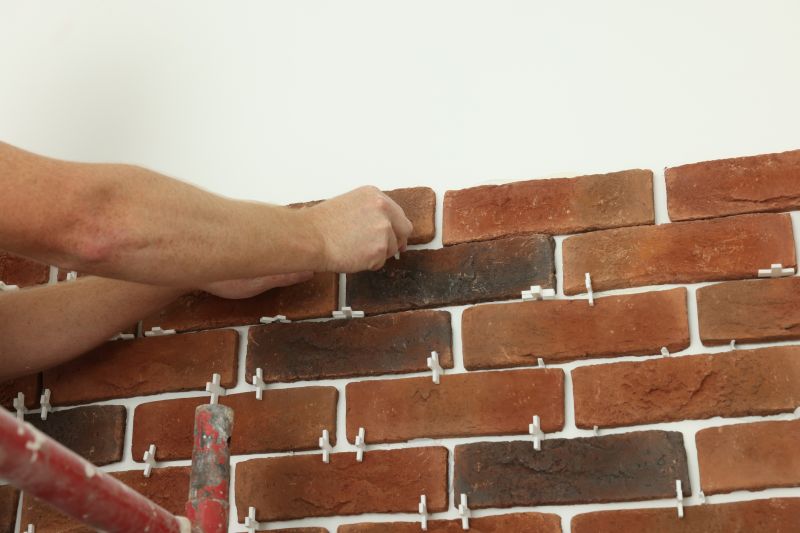
When comparing local contractors for masonry installation services, it is important to consider their experience with similar projects. Homeowners should inquire about the types of masonry work the service providers have completed in the past and whether they have handled projects comparable in scope and complexity. A contractor with a proven track record in similar installations is more likely to understand the specific challenges involved and deliver results that meet expectations. Gathering information about their previous work can help homeowners gauge the contractor’s familiarity with the nuances of masonry projects and their ability to handle the unique requirements of each job.
Clear, written expectations are essential when evaluating potential service providers. Homeowners should seek detailed project descriptions, including the scope of work, materials to be used, and the process involved during a professional masonry installation. Having these expectations documented helps ensure everyone is aligned on the project’s goals and reduces misunderstandings. Reputable contractors are typically willing to provide comprehensive written estimates or proposals, which serve as a helpful reference throughout the project. This clarity can give homeowners confidence that the work will be performed as planned and that any questions or concerns can be addressed upfront.
Effective communication and reputable references are key indicators of a reliable service provider. Homeowners can ask potential contractors for references from previous clients to gain insights into their work ethic, professionalism, and ability to meet deadlines. Good communication involves timely responses to questions, transparency about project details, and a willingness to listen to homeowner concerns. Service providers who prioritize clear dialogue and have positive references are more likely to foster a smooth installation process. By prioritizing these qualities, homeowners can select local pros who are committed to delivering quality masonry work while maintaining open lines of communication throughout the project.
Property owners often search for what to expect during a professional masonry installation when they are planning practical projects around their homes and businesses. Local pros provide Masonry Installation services for everyday jobs and straightforward project options.
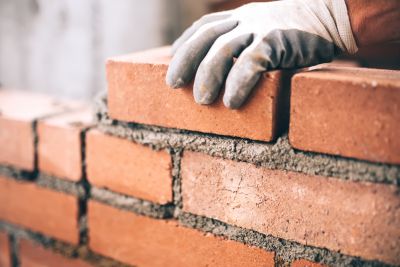
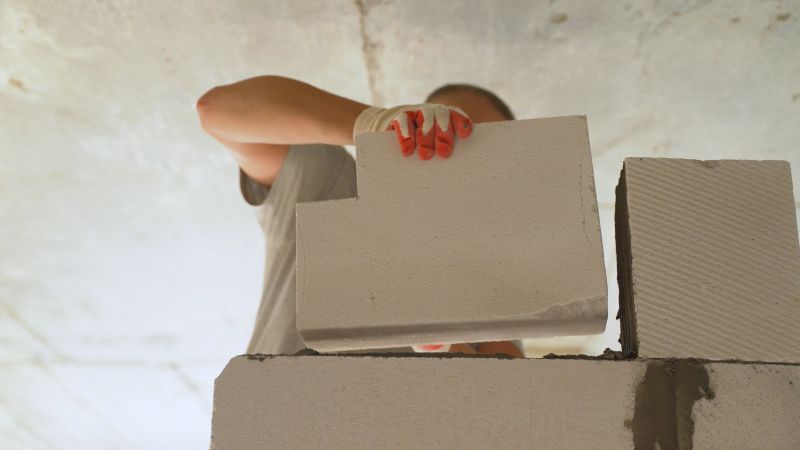
During a professional masonry installation, property owners can generally expect to see a clear process that begins with a consultation to discuss project goals and site preparation. Local contractors typically assess the area, ensuring proper foundation work and materials are in place before beginning the actual construction. Throughout the project, it’s common to observe skilled masons working methodically, carefully laying bricks, stones, or blocks, and paying close attention to details like alignment and mortar consistency. This step-by-step approach helps ensure the finished structure is durable and visually appealing, giving property owners confidence in the craftsmanship involved.
Property owners might also notice that a masonry installation involves some temporary disruptions, such as the use of scaffolding or protective coverings to safeguard surrounding areas. Local service providers usually manage these aspects efficiently, keeping the work site organized and minimizing inconvenience. Once the installation is complete, there may be some finishing touches, like cleaning excess mortar or making minor adjustments. Understanding what to expect during a professional masonry installation can help property owners prepare for the process and choose experienced local contractors to handle the project smoothly and effectively.
What is the typical process during a professional masonry installation? During a masonry installation, local contractors usually prepare the site, lay the foundation, and carefully build the structure using proper techniques and materials, ensuring durability and quality throughout each step.
How do professionals ensure the masonry work is level and aligned? Local pros use tools like levels and string lines to maintain precise alignment and flatness, making sure the finished work is structurally sound and visually appealing.
What kind of materials are used during a masonry installation? Common materials include bricks, stones, concrete blocks, and mortar, which local service providers select based on the project requirements and desired aesthetic.
What should I expect in terms of preparation before the masonry work begins? Preparation typically involves site clearing, groundwork, and sometimes setting up temporary supports, all handled by local contractors to ensure a smooth installation process.
How do professionals handle finishing touches and cleanup after the installation? After completing the masonry work, local pros usually clean the site, apply any necessary sealants or finishes, and ensure the work meets quality standards before leaving the site.
Site preparation overview - Local contractors will assess the area to ensure a stable foundation and proper layout before starting the masonry work.
Material selection guidance - Property owners can work with pros to choose durable materials that match the style and function of their project.
Installation process steps - Understanding the typical phases helps owners know what to expect during the actual masonry work, from laying bricks to finishing touches.
Final inspection and cleanup - After installation, professionals will review the work for quality and leave the site tidy, ensuring the project meets expectations.
If you are thinking about what to expect during a professional masonry installation for a property, this guide is meant to help you understand this topic, the typical project types, and how different options might fit your plans.
When you are ready, you can use the quote form on this page to share a few details about your project. From there, local pros can review the basics and follow up with options that match what you have in mind.